


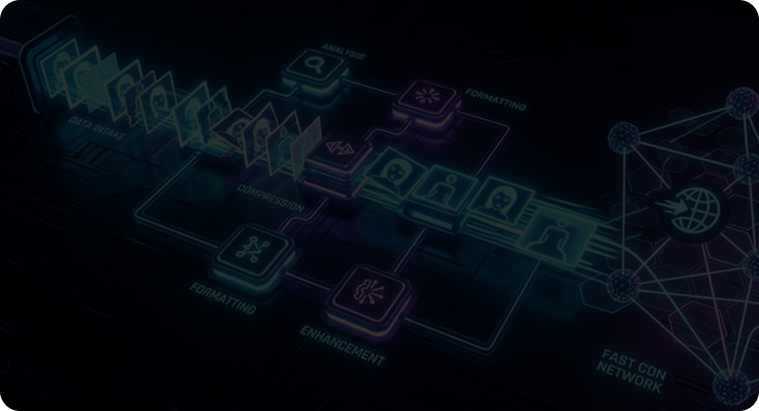
The story: Reuters moves trusted content into AI workflows
Reuters recently launched a Model Context Protocol server so customers can access subscribed Reuters News Agency content directly inside AI workflows. That is a strong signal of where enterprise information work is going. Teams do not want to copy content out of one portal, paste it into another system, and manually assemble context. They want AI-native access to trusted sources with the right permissions and usage boundaries.
Why MCP matters
AI agents are only useful when they can reach the systems where work happens: CRM, data warehouses, project tools, knowledge bases, ticketing systems, content repositories, and internal APIs. Before MCP, many AI integrations were custom, brittle, and expensive to maintain. MCP gives developers a standardized way to expose tools and context so agents can interact with real systems more reliably.
MCP is not a shortcut around governance
The worst way to use MCP is to connect everything and hope the model behaves. The best way is to expose a narrow, well-described set of approved tools, enforce identity and permissions, log tool usage, and design error handling. A useful MCP server should tell the agent what each tool does, when to use it, what inputs are required, and what failure states mean.
The InNeed AI connection
InNeed AI's data foundation background matters here. MCP is not only an integration protocol; it is a governance design problem. Enterprises need to decide which data sources should be available, how sensitive records are filtered, how user identity propagates, and how outputs are verified. InNeed can help design MCP-backed agent systems that align with the organization's data architecture rather than bypassing it.

Common enterprise use cases
MCP can support sales intelligence by connecting CRM, call notes, product docs, and proposal templates. It can support healthcare and research operations by connecting governed documents, trial protocols, and evidence libraries. It can support cloud operations by connecting runbooks, tickets, observability tools, and infrastructure repositories. It can support leadership reporting by connecting approved metrics layers rather than raw, ambiguous tables.
What good looks like
A strong MCP strategy includes a tool registry, naming standards, access policies, monitoring, rate limits, testing, and review. It also includes restraint. The goal is not to give an agent every possible tool. The goal is to give it the smallest safe toolset needed to complete a valuable workflow.
Bottom line
MCP is becoming the connective tissue between AI agents and enterprise systems. But the value comes from how it is governed. The winning organizations will treat MCP as part of their secure data and workflow architecture, not as a plug-in experiment.
FAQs for SEO and Answer Engines
What is MCP in AI?
- MCP stands for Model Context Protocol. It is an open standard for connecting AI applications to tools, data sources, and external systems.
Why does MCP matter for enterprise AI?
- It reduces fragmented integrations and helps agents access approved systems through a common interface.
Can MCP be used securely?
- Yes, when paired with scoped permissions, authentication, audit logs, narrow tool design, and secure network patterns.
Share this insight
Know someone who might find this useful? Share this insight with them.